

Avoiding Common Mistakes That Worsen Vitiligo for Better Skin Health

Vitiligo is a skin condition that causes loss of pigmentation in patches, affecting millions worldwide. Managing vitiligo can be challenging, especially when certain everyday habits unintentionally worsen the condition. Understanding these common mistakes and learning how to avoid them can help protect your skin and improve your overall well-being.

Not Protecting Skin from Sun Exposure
One of the biggest mistakes people with vitiligo make is neglecting sun protection. The depigmented areas lack melanin, which normally shields skin from ultraviolet (UV) rays. Without this protection, these patches burn easily and become more noticeable.
How to avoid this:
Use broad-spectrum sunscreen with at least SPF 30 daily, even on cloudy days.
Wear protective clothing such as long sleeves and wide-brimmed hats.
Seek shade during peak sunlight hours, usually between 10 a.m. and 4 p.m.
Consider physical blockers like zinc oxide or titanium dioxide for sensitive skin.
Consistent sun protection not only prevents burns but also reduces contrast between affected and unaffected skin, making vitiligo less visible.
Using Harsh Skin Care Products
Many skin care products contain ingredients that irritate sensitive skin or trigger inflammation, which can worsen vitiligo patches. Common irritants include alcohol, fragrances, and strong exfoliants.
Tips to avoid irritation:
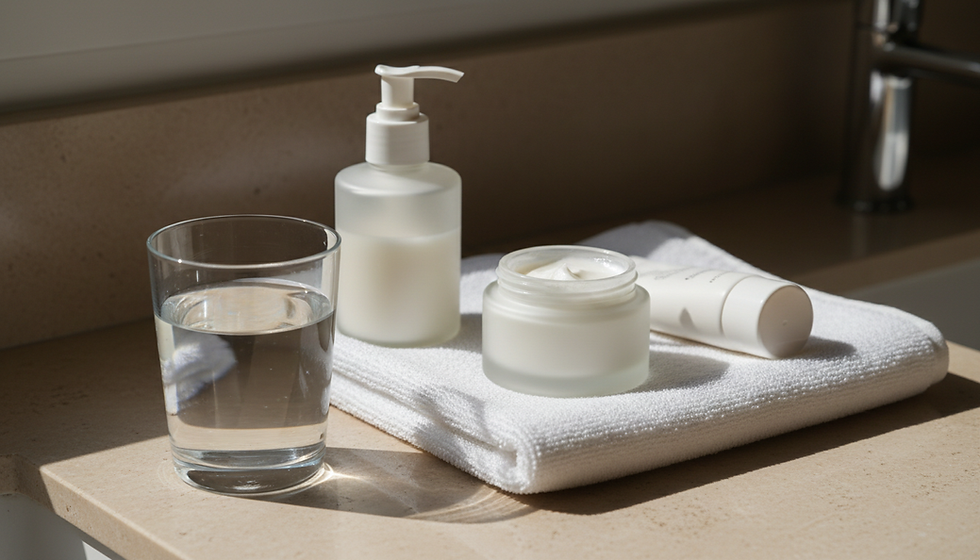
Choose gentle, fragrance-free cleansers and moisturizers.
Avoid products with alcohol or harsh chemicals.
Test new products on a small skin area before full use.
Use moisturizers regularly to maintain skin barrier health.
Keeping the skin calm and hydrated supports healing and prevents further pigment loss.
Ignoring Early Signs of New Patches
Vitiligo can spread or develop new patches over time. Ignoring early signs delays treatment and allows the condition to worsen.
What to do:
Regularly check your skin for new or expanding white patches.
Consult a dermatologist promptly if you notice changes.
Early treatment options like topical corticosteroids or light therapy can slow progression.
Timely intervention improves chances of stabilizing vitiligo and preserving skin appearance.
Relying Solely on Home Remedies
Many people try home remedies such as herbal treatments or dietary supplements without medical guidance. While some natural approaches may support skin health, relying only on unproven methods can delay effective care.
Better approach:
Discuss any supplements or remedies with your healthcare provider.
Use evidence-based treatments recommended by dermatologists.
Combine medical treatments with healthy lifestyle habits for best results.
Professional guidance ensures safe, effective management tailored to your needs.

Skipping Regular Dermatology Visits
Vitiligo requires ongoing monitoring to track changes and adjust treatment. Skipping appointments can lead to missed opportunities for early intervention.
How to stay on track:
Schedule regular check-ups with a dermatologist experienced in vitiligo.
Keep a skin diary or take photos to document changes.
Discuss any new symptoms or concerns during visits.
Consistent care helps manage vitiligo effectively and improves quality of life.
Neglecting Emotional and Social Impact
Vitiligo affects more than just skin. It can impact self-esteem and social interactions. Ignoring these emotional aspects can increase stress, which may worsen the condition.
Support strategies:
Seek support groups or counseling to share experiences.
Educate friends and family to foster understanding.
Practice stress-reduction techniques like meditation or exercise.
Addressing emotional health supports overall well-being and skin health.
Avoiding Makeup or Camouflage Products
Some avoid using makeup or camouflage products fearing they might irritate skin or worsen vitiligo. When chosen carefully, these products can boost confidence without harm.
Recommendations:
Use hypoallergenic, non-comedogenic makeup designed for sensitive skin.
Remove makeup gently at the end of the day.
Consult a dermatologist for product suggestions.
Camouflage products can help you feel more comfortable in social situations.
Overexposure to Chemicals or Trauma
Skin trauma such as cuts, burns, or harsh chemical exposure can trigger new vitiligo patches, a phenomenon known as the Koebner effect.
Preventive measures:
Avoid harsh chemical treatments like strong peels or dyes.
Protect skin from injuries and irritants.
Treat minor wounds promptly to reduce inflammation.
Protecting skin integrity helps prevent new depigmentation.
Managing vitiligo involves more than just treating the skin. Avoiding common mistakes like skipping sun protection, using harsh products, ignoring new patches, and neglecting emotional health can slow progression and improve your skin’s appearance. Regular dermatologist visits and careful skin care empower you to take control of your condition.


Comments