

Why Your Skin May Not Heal and How to Support Faster Recovery

A cut, rash, breakout, or irritated patch that refuses to settle can feel exhausting. You follow the instructions, apply the cream, change the dressing, avoid scratching, and still the skin looks angry, raw, or slow to close.
Skin healing is not just about the treatment applied on the surface. It depends on blood flow, inflammation, hormones, immune function, nutrition, daily habits, and whether the skin barrier has the right conditions to repair itself. When one of those pieces is off, healing can stall.
This article is for general information only and does not replace medical advice. If a wound is worsening, painful, spreading, draining pus, or not improving after appropriate care, a health-care provider should assess it.

Skin healing is a full-body process
Skin looks like a surface problem, but healing starts underneath. When the skin is injured or inflamed, the body needs to:
Stop bleeding or fluid loss
Clear bacteria, debris, or irritants
Control inflammation
Build new tissue
Restore the protective skin barrier
That process can take days for a mild scrape and weeks or longer for a deeper wound, eczema flare, ulcer, burn, or infection. Even acne lesions and dermatitis can leave lingering redness while the skin calms down.
Delayed healing does not always mean the treatment has failed. Sometimes the treatment is only addressing one part of the problem. For example, an antibiotic cream may help a superficial bacterial infection, but it will not fix poor circulation. A steroid cream can calm inflammation, but it may not help if the skin is still exposed to an irritant every day.
A helpful way to think about slow skin healing is this: the skin needs both the right treatment and the right environment to repair.
That environment includes moisture balance, protection from friction, enough nutrients, and a body that can carry oxygen and immune cells to the damaged area.
Underlying health conditions can slow recovery
Some health conditions make it harder for the skin to repair, even when treatment is reasonable. This is one of the first things clinicians think about when skin does not heal as expected.
Diabetes and blood sugar changes
High blood sugar can affect small blood vessels, nerves, and immune response. This can make wounds slower to heal and easier to infect, especially on the feet and lower legs. Nerve changes may also reduce pain signals, so a blister or cut can worsen before it is noticed.
For people with diabetes, slow healing should be taken seriously. Foot wounds, ulcers, or skin cracks need careful monitoring and prompt care.
Poor circulation
Skin needs oxygen-rich blood to rebuild tissue. Conditions that reduce circulation, such as peripheral artery disease, vein disease, or long-term swelling in the legs, can delay healing. Wounds around the ankles or lower legs may be especially stubborn because fluid can pool there.
Signs that circulation may be involved include:
Cold feet or hands
Leg heaviness or swelling
Skin that looks shiny, tight, or discoloured
Wounds that improve slowly despite good surface care
Pain in the legs with walking that improves with rest
Immune system problems
The immune system helps clear infection and controls inflammation. Autoimmune conditions, cancer treatments, HIV, and some immune disorders can all affect healing. In some cases, the issue is not that the immune system is too weak, but that inflammation remains switched on for too long.
Chronic inflammatory skin conditions can also complicate recovery. Eczema, psoriasis, rosacea, hidradenitis suppurativa, and allergic contact dermatitis can make the skin more reactive and prone to flares.
Nutrient deficiencies and anemia
The skin uses protein, iron, zinc, vitamin C, and other nutrients to rebuild. Low iron, low protein intake, restrictive eating, digestive conditions that affect absorption, or recent illness can slow the process.
This does not mean everyone needs supplements. Taking extra vitamins without a deficiency will not always speed healing and can sometimes cause harm. Food, bloodwork when appropriate, and clinician guidance are safer than guessing.

Medications and treatments can affect the skin barrier
Some medications can slow wound repair, thin the skin, or make irritation more likely. This does not mean the medication is wrong or should be stopped. Many are necessary and helpful. The key is to recognize when they may be part of the healing picture.
Corticosteroids
Topical steroid creams reduce inflammation and can be very useful for eczema, dermatitis, and allergic reactions. Used correctly, they can help the skin heal. But overuse, using a strong steroid on delicate skin, or applying it longer than directed can thin the skin and make it more fragile.
Oral corticosteroids can also slow wound healing because they affect inflammation and immune function throughout the body.
Immunosuppressants and cancer therapies
Medications that calm the immune system can increase infection risk or delay repair. This includes some drugs used for autoimmune conditions, organ transplant care, and certain cancer treatments. Chemotherapy and radiation can also affect skin turnover and wound healing.
People taking these medications should report non-healing sores, unusual rashes, or signs of infection early.
Acne and anti-aging products
Retinoids, exfoliating acids, benzoyl peroxide, and other active ingredients can be helpful, but they can also irritate the skin barrier if used too often or layered aggressively.
A common pattern is this: the original problem starts improving, then the skin becomes red, tight, flaky, and stinging because the routine is too harsh. At that point, the barrier needs rest.
Blood thinners and bruising
Blood thinners do not usually stop the skin from rebuilding in the same way as immune-suppressing drugs, but they can make bruising and bleeding more noticeable. A small injury may look worse or take longer to fade.
Always speak with a pharmacist, physician, or nurse practitioner before changing a prescribed medication. Stopping suddenly can be dangerous.
Daily habits may be working against recovery
Skin can struggle to heal when it faces repeated irritation. The challenge is that these triggers are often ordinary parts of daily life.
Picking, scratching, and friction
Picking a scab, squeezing a blemish, or scratching itchy skin restarts inflammation. Even light friction from clothing, shoes, masks, watches, or sports gear can keep an area irritated.
If itching is the issue, the goal is not willpower alone. Itch needs treatment and protection. Cool compresses, bland moisturizers, wet wraps for eczema when advised, and keeping nails short can reduce damage while the skin calms down.
Smoking and vaping nicotine
Nicotine narrows blood vessels. That can reduce oxygen delivery to healing tissue. Smoking also affects collagen formation and immune defence. Even if quitting feels difficult, reducing nicotine exposure can support recovery, especially before and after procedures.
Sleep and stress
Sleep is when the body carries out much of its repair work. Stress can also raise inflammation and make scratching, picking, or flare-ups more likely. Stress does not mean a skin problem is “all in your head.” It means the nervous system and immune system are connected.
Simple routines can help:
Keep a consistent bedtime when possible
Avoid overheating at night if itching is a problem
Use breathable cotton sleepwear
Try a short wind-down routine instead of checking the skin repeatedly
Over-cleansing and over-treating
Many people try harder when skin is not healing. They wash more often, scrub, apply multiple actives, switch products, and add home remedies. The skin barrier often needs the opposite.
Harsh soaps, alcohol-based toners, abrasive scrubs, essential oils, lemon juice, and frequent exfoliation can all delay recovery. A damaged barrier loses water more easily and lets irritants in more easily, which keeps inflammation going.

A skin recovery routine should protect, not punish
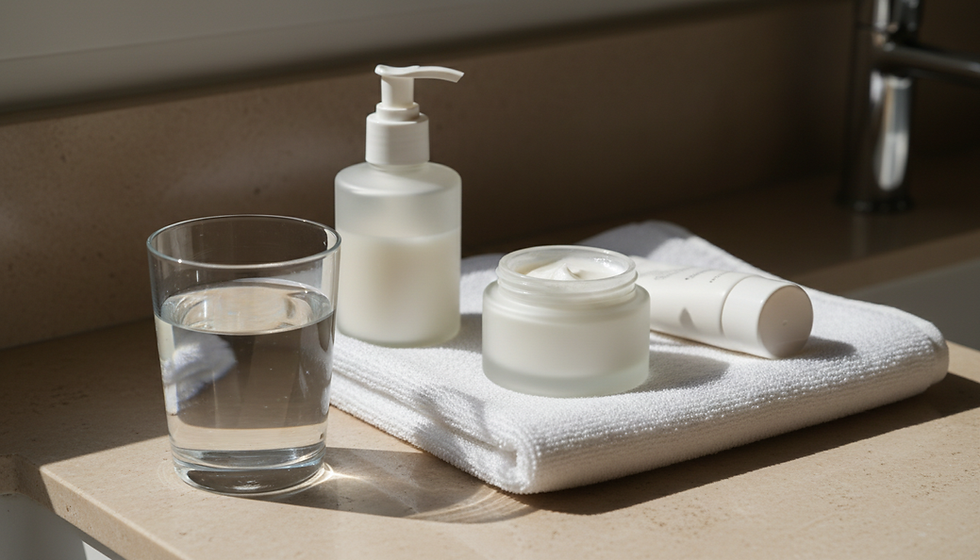
The best routine for healing skin is usually boring. That is a good thing. Skin that is inflamed, cracked, peeling, or raw often needs fewer products, not more.
Clean gently
Use lukewarm water and a mild, fragrance-free cleanser. Avoid scrubbing. Pat dry with a clean towel instead of rubbing.
For minor wounds, follow the care instructions given by a health-care professional. Many small wounds heal best when gently cleaned and kept slightly moist with a suitable ointment and dressing. Letting every wound “air out” can dry the surface and slow closure.
Moisturize consistently
Moisturizer helps repair the skin barrier and reduce water loss. Look for simple products with ingredients such as glycerin, ceramides, petrolatum, or dimethicone. Fragrance-free products are often better tolerated by sensitive or healing skin.
Apply moisturizer after washing and whenever the area feels tight or dry. For hands, applying a thicker ointment before bed and wearing cotton gloves can help protect cracked skin overnight.
Protect from sun exposure
Freshly healed or inflamed skin is more likely to darken, redden, or scar after sun exposure. Daily broad-spectrum sunscreen, protective clothing, and shade can help reduce marks while the skin repairs.
This matters for all skin tones. Darker skin may be more prone to post-inflammatory hyperpigmentation, while lighter skin may show prolonged redness. Both are signs that inflammation affected pigment or blood vessels.
Pause irritating actives
If the skin stings when plain moisturizer touches it, pause retinoids, exfoliating acids, vitamin C serums, benzoyl peroxide, and scrubs until the barrier feels calmer. Reintroduce one product at a time, slowly.
A practical restart plan might look like this:
Barrier reset
Slow reintroduction
Watch the response
Use cleanser, moisturizer, and sunscreen only for several days or as advised.
Add one active product back two or three nights a week.
If burning, peeling, or redness returns, reduce frequency or stop and ask for advice.
Use dressings when needed
A covered wound is less likely to be bumped, scratched, or contaminated. Dressings also help manage moisture. Too dry can crack. Too wet can soften the surrounding skin. The right balance depends on the wound, location, and drainage.
Seek advice for deeper wounds, burns, ulcers, wounds from bites, or wounds in people with diabetes or immune suppression.
Practical ways to support faster skin recovery
Healing improves when the whole routine supports the skin, body, and environment.
Start with the basics that have the strongest payoff.
Keep the area clean and protected
Gentle cleaning and the right dressing reduce repeated irritation.
Eat enough protein
Protein helps build new tissue. Include foods such as eggs, fish, poultry, tofu, beans, lentils, Greek yogurt, nuts, or seeds.
Include colourful fruits and vegetables
These provide vitamin C and other nutrients used in repair.
Stay hydrated
Hydration supports overall function, though water alone will not fix a wound.
Avoid smoking and reduce nicotine exposure
Better blood flow supports tissue repair.
Control itch early
Scratching can undo progress overnight.
Limit product changes
Give a simple routine time to work unless symptoms worsen.
Take photos once or twice a week
Photos can help track progress more accurately than checking many times a day.
Manage friction
Use soft clothing, better-fitting shoes, protective bandages, or barrier ointments where rubbing happens.
Follow the full treatment plan
Some prescriptions need a full course or gradual taper. Stopping early can cause rebound flares or incomplete treatment.

Know when slow healing needs medical attention
Some skin problems need more than home care. That does not mean anyone has done something wrong. It means the skin may need a diagnosis, different treatment, or testing for a hidden barrier to healing.
Contact a health-care provider if you notice:
Redness that is spreading
Increasing warmth, swelling, or pain
Pus, bad odour, or cloudy drainage
Fever or feeling unwell
Red streaks moving away from the area
A wound that is deep, gaping, or caused by a bite
A sore that does not improve over a couple of weeks
Repeated wounds in the same area
Any foot wound in someone with diabetes
A changing, bleeding, or non-healing spot that could be skin cancer
A clinician may check for infection, circulation issues, contact allergies, medication effects, blood sugar concerns, or inflammatory skin disease. In some cases, a swab, bloodwork, biopsy, or referral to a dermatologist or wound care clinic may be needed.
The most supportive approach is not to blame the skin or keep adding products. Slow healing is often a signal. Listen to it, simplify care, protect the area, support the body, and ask for help when progress stalls. With the right mix of treatment and daily habits, many stubborn skin problems can move from stuck to steadily improving.


Comments