

Natural Skin Healing Consistency Tips for a Gentle Lasting Routine

Skin rarely changes overnight, even when a product is good and the routine is thoughtful. More often, healing looks like fewer flare-ups, less tightness after cleansing, a calmer feel by the end of the day, or one small patch that finally stops feeling rough.
That slow pace can feel frustrating. It can also make people switch products too often, scrub too hard, or give up right before the skin barrier starts to settle. A gentle, consistent routine gives skin the steady support it needs while reducing the stress that often comes with trying to “fix” it.
This guide shares practical ways to build a natural skin healing routine that is simple enough to keep, flexible enough for real life, and kind enough for sensitive days.
This article is for general information only and is not medical advice. For persistent irritation, infection signs, severe acne, eczema, psoriasis, allergic reactions, or sudden skin changes, speak with a qualified health-care provider.

Build a routine that is too simple to skip
A routine does not need many steps to be effective. In fact, skin that is irritated, dry, blemish-prone, or reactive often does better with fewer moving parts. The goal is to create a rhythm the skin can recognize.
A basic routine can start with three steady steps:
Cleanse gently
Moisturize well
Protect during the day
That may sound plain, but plain is often what helps the skin barrier recover. The skin barrier is the outer layer that helps hold moisture in and keeps irritants out. When it is stressed, skin may sting, flake, burn, itch, or feel oily and dry at the same time.
Keep mornings light and protective
Morning skin care should prepare the skin for the day without stripping it.
A gentle morning routine might include:
Rinsing with lukewarm water or using a mild cleanser if needed
Applying a calming moisturizer while skin is slightly damp
Using mineral sunscreen on exposed skin when heading outdoors
Sunscreen matters even in Canada’s cooler months. UV exposure can worsen uneven tone, slow the look of healing, and make sensitive skin feel more reactive. A mineral sunscreen with zinc oxide or titanium dioxide may suit some sensitive skin types, though every person’s skin is different.
Let evenings be about repair
Evening is a good time to remove sunscreen, sweat, and pollution, then replenish moisture.
A gentle evening routine might include:
Cleansing with a fragrance-free, non-stripping cleanser
Applying a soothing serum or simple hydrator if tolerated
Sealing with a moisturizer or a few drops of facial oil over cream
If dryness is a major concern, apply moisturizer on damp skin. This helps trap water at the surface. If skin stings when almost anything touches it, pause active ingredients and return to only the basics for a few days.
Change one thing at a time
Consistency becomes harder when too many products enter the routine at once. If redness, bumps, or stinging show up, it becomes almost impossible to know what caused it.
Introduce one new product or ingredient at a time. Use it for a couple of weeks before adding another, unless irritation appears. Patch testing on a small area, such as the jawline or inner arm, can also help catch obvious reactions before applying something more widely.
Natural does not always mean irritation-free. Essential oils, citrus extracts, cinnamon, and some plant fragrances can trigger sensitivity. Gentle choices matter more than trendy ones.
Choose natural ingredients with a clear purpose
Natural ingredients can support comfort, hydration, and a calmer-looking complexion when chosen carefully. The best options are usually simple, well-known, and suited to the skin’s current needs.

Try soothing ingredients when skin feels reactive
Some ingredients are popular for a reason. They are gentle for many people and easy to use in simple routines.
Aloe vera
Aloe gel can feel cooling on skin that looks flushed or feels tight. Choose plain aloe with minimal additives when possible. Avoid applying it to deep cuts or infected areas unless a clinician advises it.
Colloidal oatmeal
Finely ground oats can help calm the feeling of dryness and itch. Look for colloidal oatmeal in creams, bath soaks, or gentle masks. For a simple wash-off option, mix finely ground oats with water into a soft paste, apply briefly, then rinse without scrubbing.
Honey
Honey has a long history of use in skin care. Some people like it as a short wash-off mask because it feels softening. Use caution if prone to allergies, and avoid sticky DIY treatments on broken or very irritated skin.
Calendula
Calendula appears in many calming creams and balms. It may suit dry or delicate skin, especially when the formula is fragrance-free and simple.
Use oils to seal, not replace hydration
Facial oils can support the skin barrier, but they do not hydrate on their own. Water hydrates. Humectants and moisturizers help hold that water. Oils help seal it in.
Common gentle oils include:
Jojoba oil
Squalane from plant sources
Sunflower seed oil
Rosehip seed oil, if tolerated
For dry skin, apply moisturizer first, then press a small amount of oil on top. For acne-prone skin, start with a tiny amount and watch for clogged pores. More oil does not mean more healing.
Be careful with exfoliation
When skin feels rough or dull, exfoliating can feel like the obvious answer. Too much exfoliation often makes healing harder.
Scrubs with sharp particles can create tiny irritation points. Strong acids used too often can weaken the barrier. If exfoliation is part of the routine, keep it gentle and occasional. Skin that stings, flakes, burns, or feels hot needs rest, not polishing.
A good rule is to focus on hydration and protection first. Smoothness often improves when the skin barrier is less stressed.
Make consistency easier with daily habits
A skincare routine does not happen in isolation. Sleep, stress, food, movement, climate, laundry products, and the indoor air all influence how skin feels. This does not mean every breakout or flare-up is a personal failure. It means small daily supports can help the skin do its work.
Pair skincare with habits already in place
The easiest routine is the one attached to something that already happens.
Try linking skin care to:
Brushing teeth
Taking morning medication or vitamins
Changing into sleepwear
Making tea in the evening
Setting out clothes for the next day
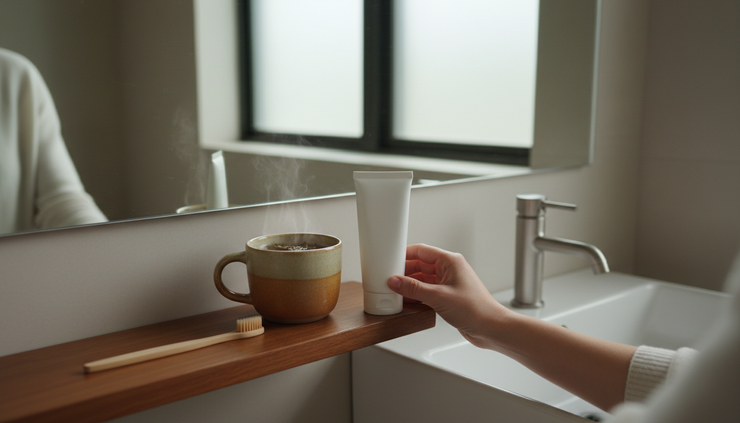
Keep products visible but tidy. A cleanser in the shower, moisturizer near the sink, and sunscreen by the door can reduce the friction of remembering.
If a full evening routine feels like too much, choose a minimum routine. Cleanse and moisturize. That still counts. Consistency grows when the routine survives tired nights.
Support skin from the inside without chasing perfection
Food and hydration affect overall health, and skin is part of that. A balanced approach works better than strict rules.
Skin-supportive basics include:
Drinking water through the day, especially after exercise or time outdoors
Eating protein regularly to support normal tissue repair
Including colourful fruits and vegetables for vitamins and antioxidants
Choosing omega-3 rich foods, such as salmon, sardines, chia seeds, flaxseed, or walnuts
Limiting alcohol if it seems to worsen dehydration or flushing
No single food heals everyone’s skin. If a food seems linked to flare-ups, tracking can help. Avoid cutting out whole food groups without support from a health professional, especially if the changes feel stressful.
Protect skin from everyday irritants
Sometimes consistency means reducing the things that keep setting skin back.
Helpful changes can include:
Washing pillowcases and face cloths often
Choosing fragrance-free laundry detergent
Avoiding very hot showers
Using a humidifier during dry Canadian winters
Wearing soft scarves or breathable fabrics around irritated areas
Rinsing after sweating, then moisturizing if skin feels tight
Cold weather, wind, indoor heating, and dry air can make the skin barrier feel fragile. During winter, a richer moisturizer may be needed. In summer, a lighter texture may feel better. The routine can stay consistent while the weight of products changes with the season.
Add holistic practices that calm the whole system
Skin healing is physical, but the process can also feel emotional. A flare-up before an event, a stubborn patch on the face, or months of sensitivity can affect confidence and mood. Holistic care does not replace treatment when treatment is needed, but it can support a calmer routine and a kinder relationship with the body.
Use touch gently
Facial massage can feel soothing, but only when it is light. Tugging, scraping, or pressing hard can worsen irritation.
A simple calming approach:
Apply moisturizer or facial oil so fingers glide.
Press palms lightly over the cheeks, forehead, and jaw.
Use slow outward strokes with minimal pressure.
Stop if skin becomes red, hot, itchy, or uncomfortable.
This can take one minute. It does not need to reshape the face or drain anything dramatic. The benefit is the pause, the softness, and the act of caring for skin without fighting it.
Lower stress where possible
Stress does not “cause” every skin concern, and people should not be blamed for flare-ups. Still, stress can affect sleep, picking habits, inflammation, digestion, and how consistently routines happen.
Small nervous-system supports can help:
Slow breathing for two minutes before bed
A short walk outside, even in cool weather
Gentle stretching after a shower
Listening to calming music while doing skin care
Keeping hands busy during TV time to reduce picking
If skin picking feels hard to control, support is available. A therapist, doctor, or mental health professional can help with strategies that reduce shame and build healthier coping tools.
Treat rest as part of the routine
Rest is not a luxury step. Skin does much of its normal repair work while the body sleeps. Poor sleep can also make irritation feel harder to manage.
Better sleep does not require a perfect schedule. Start with one helpful change:
Keep the room cool and dark
Stop applying new products right before getting into bed
Put the phone away a little earlier
Use a clean, soft pillowcase
Moisturize hands, lips, or dry patches before sleep
A calming night routine tells the body that the day is ending. The skin benefits from that steadiness too.
Track progress and celebrate small victories
Progress can be easy to miss when checking the mirror every day. Skin changes slowly, and daily lighting can make redness, texture, or tone look different from one hour to the next. Tracking gives a clearer view.

Keep tracking simple
Use a notebook, calendar, or notes app. Track only what helps. Too much detail can turn self-care into pressure.
A weekly check-in might include:
What to track | Why it helps |
Products used | Shows what stayed consistent |
Irritation level | Helps spot triggers and improvements |
Sleep and stress | Connects lifestyle patterns without blame |
Weather or season changes | Explains dryness, flushing, or oiliness |
Photos in the same lighting | Makes gradual progress easier to compare |
Take photos once a week, not five times a day. Use the same spot, same lighting, and a relaxed face. The goal is information, not criticism.
Look for signs beyond perfect skin
Healing does not always mean clear, poreless, even-toned skin. Real skin has texture, pores, marks, oil, dryness, and change. Better signs of progress may include:
Less stinging after moisturizer
Fewer new irritated patches
Shorter flare-ups
Makeup or sunscreen sitting more comfortably
Less urge to pick or constantly check
Skin feeling calm for longer stretches
These wins matter. They show the routine is supporting the skin, even if visible changes are gradual.
Celebrate without adding pressure
Celebrating small victories helps make consistency feel rewarding. It also shifts attention away from constant fixing.
A celebration can be simple:
Marking a calm-skin day on a calendar
Buying a fresh face cloth
Taking a relaxed walk
Making a favourite tea
Saying, “I kept my routine gentle this week”
Patience is not passive. It is an active choice to stop punishing the skin for needing time. It is also a form of self-care, especially when progress feels uneven.
Setbacks will happen. A new product may not work. A stressful week may show on the skin. Cold wind may undo some moisture gains. That does not erase the care already given. Return to the basics, reduce irritation, and begin again gently.

Let gentle consistency do the heavy lifting
Natural skin healing consistency is built through small choices repeated often: a mild cleanse, enough moisture, sun protection, patient tracking, supportive food, better rest, and less stress around every imperfection.
The best routine is not the longest one. It is the one that can continue through busy mornings, low-energy evenings, seasonal changes, and imperfect weeks. Choose a few ingredients that serve a clear purpose. Keep the steps simple. Watch for patterns. Celebrate signs of comfort, not only dramatic visible change.
Skin does not need pressure to heal. It needs support, time, and a routine that feels safe enough to keep.


Comments